

 KIDS for Families

 Children and young people are developing and growing all the time. At some stages, they grow faster than at other stages. This sometimes means that they can experience muscle and joint issues. This is common. It should settle as their growing slows down. Stretches and exercises can help relieve some of the pain related to growth. Children and young people can also have soft tissue and bony injuries. Generally, they heal quickly. If they follow the advice given they should be able to return to their normal activities.
 your child/young person experiences changes in bowel or bladder control
A soft tissue injury is damage of muscles, ligaments and/or tendons anywhere in the body. Soft tissue injuries usually occur from a sprain, strain, overuse or a direct blow. Soft tissue injuries are most common in the ankle and knee but they can happen anywhere in the body. People with soft tissue injuries will have pain and swelling.
Severe soft tissue injuries will cause your child or young person to stop their activity. It is important to start moving the affected area early on. Evidence shows this is the best treatment to prevent further problems.
The use of ice is still recommended if swelling is a major problem. Remember to never place ice directly on your skin. Use a barrier, like a towel, to protect your skin. How long you use ice as a treatment can depend on the area of injury. However, generally apply ice for up to 15 minutes at a time and leave a few hours before reapplying.
Moving the joint will also get rid of swelling. Try and encourage gentle movements of the affected area. If it is a leg injury you should try and encourage taking weight on it and walking normally. With arm injuries, try and encourage normal use. It may take your child or young person a few days to be able to do this but continue to encourage it.
If needed, your child or young person may take medicine to decrease any pain and inflammation. Use according to the package directions or as instructed by your doctor/pharmacist.
Your child or young person may need to take a break from sporting activities. This should only be for about 2 weeks until the pain and swelling have eased. More severe injuries may take as long as four to six weeks to heal.
Please contact your local paediatric physiotherapy advice line or your GP if your child or child or young person is not getting better.
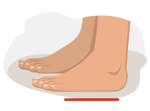 The ankle joint connects the foot to the lower leg. It is surrounded by various muscles and ligaments, which give it stability.
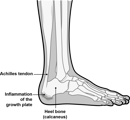 Sever's is a common cause of heel pain in children and adolescents, between the ages of 8-14. It is most common in very active children/young people and/ or those who have had a recent growth spurt. Tight calf muscles or the Achilles tendon (the tendon which attaches the calf muscle to the heel bone) cause the pain. There is 'pulling' where it attaches to the heel. It can be painful to touch and sore on activity; such as running and jumping or with prolonged walking. Wearing flat shoes can also be a cause. Sometimes Sever's can cause limping, walking on toes, and or some swelling around the heel. It can occur in one or both heels. Sever's gets better with a period of rest and doing less high impact activities. Ice packs can be used for pain and swelling. Well-fitting footwear is important.
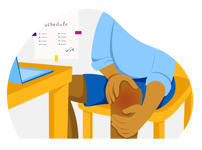 The knee’s main job is to bend, straighten and take the weight of the body along with the ankles and hips. The knee is made up of bones, ligaments, tendons and cartilage. Knee pain is common in children and young people. It is usually due to growth and changes to their body as they mature.
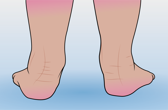 Flat feet can often be seen in babies starting to stand or toddlers and young children. The arches of the foot may not develop until the child is 4-5 years of age. This is normal.
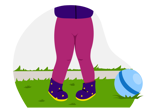 Intoeing
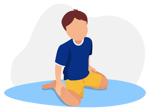 Intoeing is more common in children who 'W' sit. Encourage your child to sit with their legs in a basket, out in front of them or tucked to the side. Intoeing tends to happen on both sides. It usually resolves by 8-10 years of age.
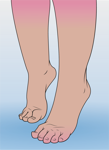 Toe walking is walking on tip toes or when the heel doesn't touch the ground. It can happen some, most or all of the time. Toe walking is a normal part of development and lots of children grow out of this. In some cases toe walking can continue into adulthood. Toe walking can sometimes be due to other conditions like cerebral palsy, muscular dystrophy or neurodevelopmental differences like autism.